Exploring the Depths of Abstract Art Through Automatic Drawing
Sep 15, 2024
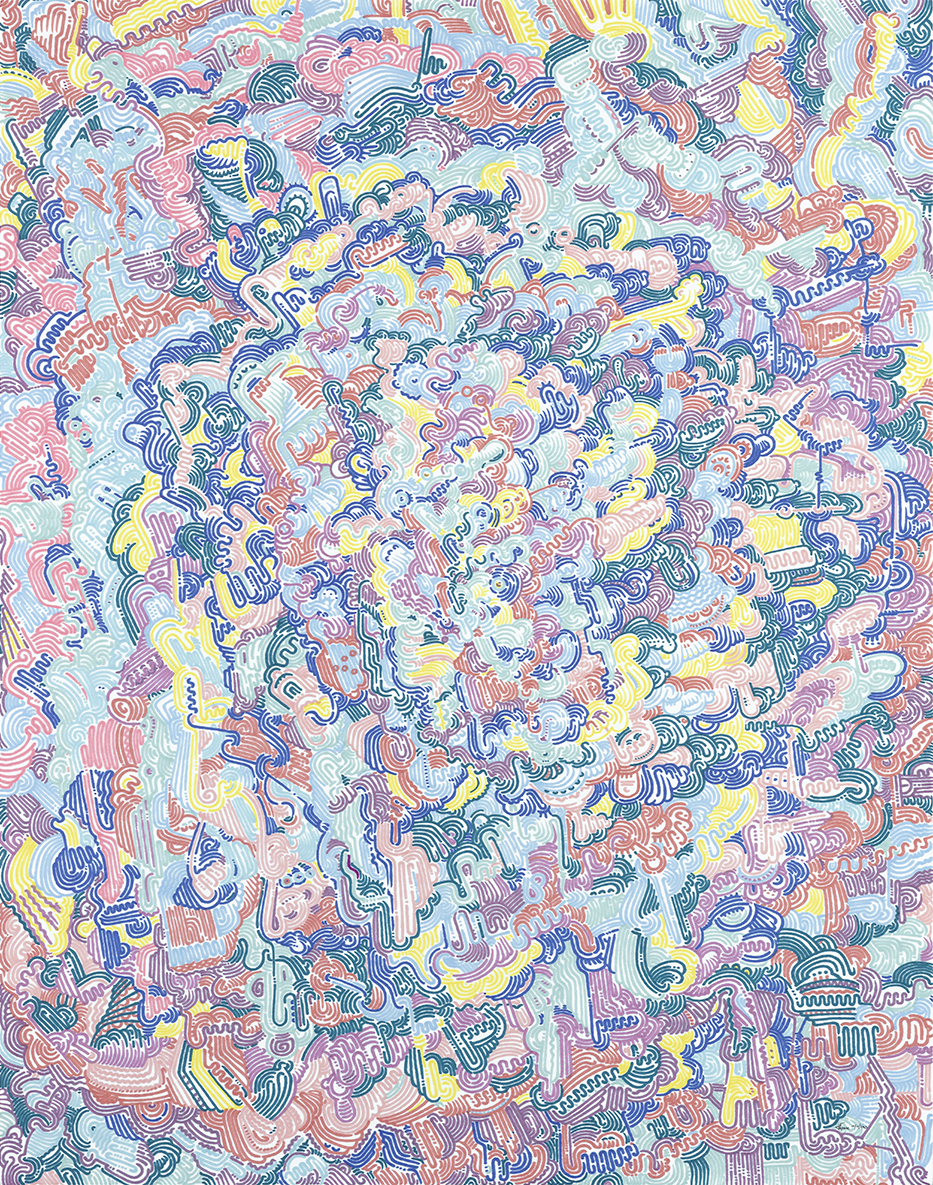
Abstract art is a realm where imagination reigns supreme, unbound by the constraints of the physical world. It invites us to see beyond the obvious, to explore emotions, thoughts, and energies that words often fail to capture. For me, abstract art is a journey into the unknown, a way to communicate the inexpressible, and a profound exercise in freedom.
One fascinating aspect of abstract art is automatic drawing, a technique that allows the subconscious mind to take the lead. This method, rooted in Surrealism, involves creating art without a preconceived plan, letting the hand move freely across the canvas or paper. The result is often a raw, unfiltered expression of the artist's inner world.
What is Automatic Drawing?
Automatic drawing is the practice of creating art without conscious control, allowing the hand to move freely and spontaneously. This process taps into the subconscious mind, revealing thoughts and emotions that are not immediately accessible through traditional methods. The origins of automatic drawing can be traced back to the early 20th century, where artists like André Masson and Joan Miró used it as a way to break free from conventional artistic techniques and explore new realms of creativity.
The beauty of automatic drawing lies in its unpredictability. Each stroke, each mark is an unplanned event, a direct channel from the mind's deeper layers to the paper. This can result in anything from delicate, intricate patterns to bold, chaotic forms. It’s a form of art that thrives on spontaneity and embraces the imperfections that come with it.
What Abstract Art Means to Me
Abstract art, to me, is the visual language of the soul. It’s a space where emotions, memories, and dreams converge, often without the need for recognizable forms or figures. Unlike representational art, which seeks to depict the world as we see it, abstract art delves into how we feel, think, and perceive. It’s about evoking emotion, sparking curiosity, and inviting interpretation.
When I engage in abstract art, especially through techniques like automatic drawing, I find myself immersed in a state of flow. The process becomes meditative, a dance between intention and chance. There’s a certain liberation in letting go of control, in allowing the art to create itself, guided by the rhythms of the subconscious.
In many ways, abstract art mirrors life itself—unpredictable, complex, and often beyond our full understanding. It challenges us to look deeper, to find meaning in the seemingly meaningless, and to embrace the beauty of ambiguity. Each piece of abstract art is a conversation, not just between the artist and the medium, but between the art and its audience.
The Power of Interpretation
One of the most captivating aspects of abstract art is its ability to be interpreted in countless ways. A single piece can evoke different emotions and thoughts depending on who is viewing it. This open-endedness is what makes abstract art so powerful; it encourages dialogue, introspection, and personal connection.
As an artist, there’s something profoundly fulfilling about knowing that your work can resonate with others in ways you might never have anticipated. It’s a reminder that art is not just about the creator—it’s also about the viewer and the unique experiences they bring to the table.
Conclusion
Abstract art, and specifically automatic drawing, is more than just a style—it’s a philosophy. It’s about surrendering to the creative process, allowing intuition to guide the way, and embracing the unknown. For me, it’s a way to explore the depths of my own consciousness and to communicate in a language that transcends words.
In a world that often demands structure and clarity, abstract art offers a sanctuary of freedom and exploration. It invites us to let go, to see with our hearts rather than our eyes, and to find beauty in the unexpected.